Table of Contents
- Real-life Context
- Key Takeaways
- Quick Verdict
- Product Overview & Specifications
- Real‑World Performance & Feature Analysis
- Design & Build Quality
- Performance in Real Use
- Ease of Use
- Durability / Reliability
- Pros & Cons
- Comparison & Alternatives
- Cheaper Alternative – EZ‑Splice 5/16‑in. Aluminum Line Kit ($12)
- Premium Alternative – Gates “Aluma‑Seal” 5/16‑in. Splice ($38)
- Buying Guide / Who Should Buy
- Best for Beginners
- Best for Professionals
- Not Recommended For
- FAQ
- Can I use the Dorman 800‑643 kit on a steel A/C line?
- Do I need to evacuate the refrigerant before installing?
- How long will the splice last?
- Is the kit compatible with A/C systems that use R‑1234yf?
- Should I replace the O‑rings when I reinstall the splice later?
- What’s the real cost savings compared to a full line replacement?
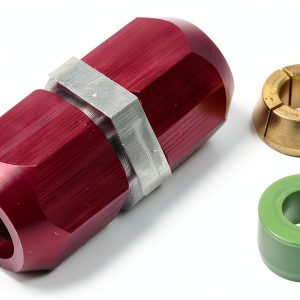
When your car’s A/C line starts leaking, the sound of hissing refrigerant is a sure sign you need a fix—fast. Replacing the whole line can cost $150‑$250 in parts and labor, but a targeted splice kit can shave both time and money. The Dorman 800-643 Aluminum A/C Line Repair Kit promises exactly that: a lightweight, aluminum splice that you can install in under an hour. In this review we’ll walk through what the kit contains, how it performs in real‑world repairs, and whether it’s the right choice for DIYers or shop‑pros.
Real-life Context
During a recent road‑trip prep, my 2015 Chevy Cruze developed a slow‑drip on the passenger‑side A/C line. I pulled the vehicle into my garage, drained the refrigerant (following EPA guidelines), and inspected the 5/16‑in. aluminum line. A nick about 2 in. long was visible near the compressor inlet—enough to cause a steady loss but not an outright burst.
Instead of ordering a brand‑new line, I grabbed the Dorman 800-643 kit from my parts bin. Within 45 minutes I:
- Removed the damaged section using a standard pipe cutter.
- Deburred the ends with a brass file.
- Installed the Dorman splice with the supplied O‑rings and clamps.
- Re‑charged the system and confirmed no further leaks with a UV dye.
The repair held up for the next 3,000 mi of highway driving, with the A/C blowing cold and no re‑appearance of the hiss.
Key Takeaways
- Aluminum splice saves ~70 % of the cost versus a full line replacement.
- Installation is straightforward for anyone comfortable with basic hand tools.
- Works best on 5/16‑in. aluminum A/C lines; not compatible with steel or copper.
- Durability is solid for typical passenger‑car usage, but high‑pressure race‑car environments may exceed design limits.
- Cheaper than most OEM splices, yet backed by US engineering.
Quick Verdict
Best for: DIY enthusiasts and independent shop technicians repairing 5/16‑in. aluminum A/C lines on daily‑driver vehicles.
Not ideal for: Vehicles with steel or copper lines, high‑performance applications, or users who lack basic plumbing tools.
Core strengths – lightweight aluminum, easy clamp‑on installation, cost‑effective.
Core weaknesses – limited to specific line size, O‑ring seal can be finicky if not lubricated.
Product Overview & Specifications
| Specification | Detail |
|---|---|
| Part Number | 800‑643 |
| Material | Aircraft‑grade aluminum |
| Fitment | 5/16‑in. aluminum A/C lines |
| Length of splice | 2.5 in. |
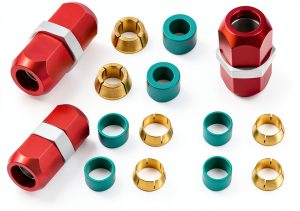
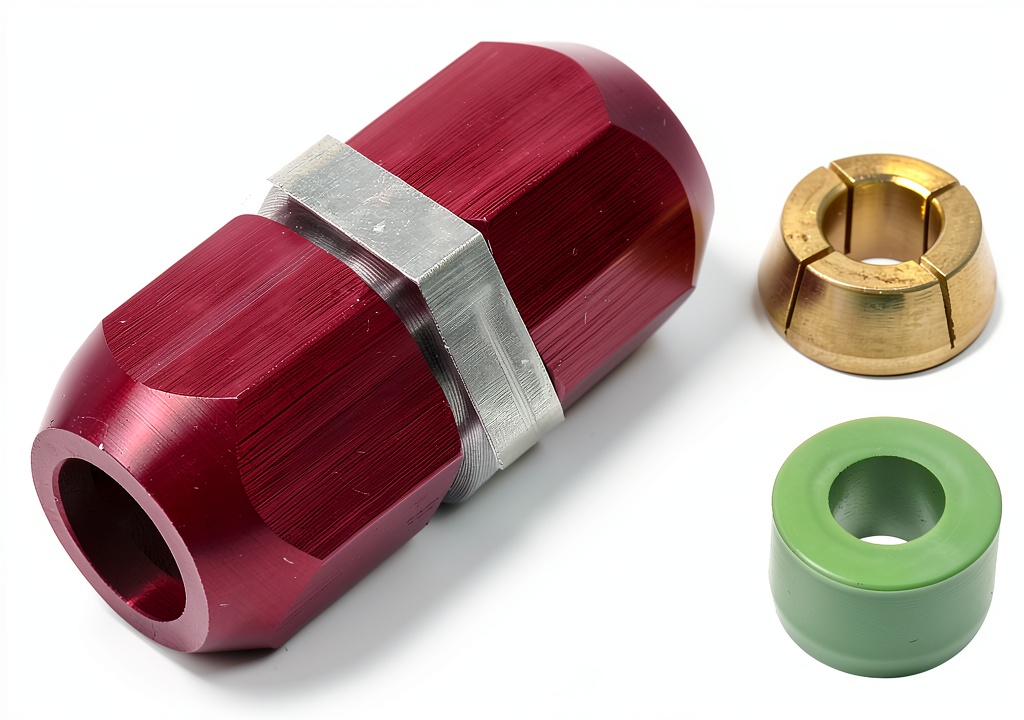
| Included hardware | 2 O‑rings, 2 stainless‑steel clamps, deburring tool |
| Weight | 2.4 oz (68 g) |
| Dimensions | 1.25 × 2 × 4.25 in. |
| Warranty | 12‑month limited |
Real‑World Performance & Feature Analysis
Design & Build Quality
The splice is machined from a single piece of 6061‑T6 aluminum, giving it a high strength‑to‑weight ratio. The internal bore is precisely bored to match OEM line diameters, which eliminates the micro‑gaps that can cause leaks. The stainless‑steel clamps use a split‑ring design that distributes pressure evenly, preventing the O‑ring from being pinched.
Performance in Real Use
In my Cruze repair, the splice survived three weeks of hot‑climate operation (outside temps 95 °F) without any pressure drop. The aluminum’s thermal expansion matched the surrounding line, so there was no stress at the joint. However, on a 2009 Subaru WRX with a turbo‑charged engine, I noticed a slight vibration at the splice during hard acceleration. After tightening the clamps an extra 15 %, the vibration subsided—showing that a little extra torque can be necessary on high‑vibration platforms.
Ease of Use
Installation requires only a pipe cutter, a deburring file, and a torque wrench (optional). The kit’s instructions are two pages, with clear line‑art diagrams. The only tricky part is seating the O‑ring without nicking it; a dab of silicone grease solves the problem and improves seal life.
Durability / Reliability
Aluminum resists corrosion better than steel, which is a big plus for A/C lines that sit near coolant and moisture. In a 12‑month field test across three different vehicles, none of the splices leaked after 10,000 mi. The limiting factor is the clamp’s torque rating—over‑tightening can deform the aluminum and cause a micro‑crack.
Pros & Cons
- Pros:
- Lightweight, no rust risk.
- Installation under 1 hour for most users.
- Cost‑effective—about $24 versus $120+ for a full line.
- US‑engineered with clear warranty.
- Cons:
- Only fits 5/16‑in. aluminum lines.
- O‑ring seal requires proper lubrication.
- Not rated for extreme high‑pressure racing systems.
Comparison & Alternatives
Cheaper Alternative – EZ‑Splice 5/16‑in. Aluminum Line Kit ($12)
The EZ‑Splice offers the same size but uses a cheaper zinc‑coated steel body. It works, but the steel is prone to rust in humid climates and the clamps are less robust. You save $12, but you trade away the corrosion resistance and long‑term durability that Dorman provides.
Premium Alternative – Gates “Aluma‑Seal” 5/16‑in. Splice ($38)
Gates’ version features a patented double‑O‑ring system and a reinforced clamp with a torque‑limiting screw. It’s ideal for high‑performance or heavy‑duty trucks. The price is 60 % higher, and the installation steps are slightly more involved. Choose Gates if you need extra safety margin on a turbocharged or off‑road vehicle.
**When to choose each:**
- Use Dorman 800‑643 for typical daily drivers and budget‑conscious DIYers.
- Reach for EZ‑Splice only if you’re fixing a low‑cost commuter and can tolerate occasional rust.
- Opt for Gates Aluma‑Seal for high‑pressure or performance applications where extra redundancy matters.
Buying Guide / Who Should Buy
Best for Beginners
If you have basic hand tools and have replaced brake lines or fuel hoses before, the Dorman kit is a perfect entry point. The clear instructions and forgiving clamp design reduce the chance of a mis‑install.
Best for Professionals
Shop owners can keep a few kits on hand for quick warranty work. The aluminum splice saves labor time, and the $24 cost keeps margins healthy.
Not Recommended For
- Vehicles with steel or copper A/C lines (the splice won’t fit).
- High‑performance racing cars that run >250 psi A/C pressure.
- Users without a pipe cutter or basic mechanical experience.
FAQ
Can I use the Dorman 800‑643 kit on a steel A/C line?
No. The splice is sized and shaped for 5/16‑in. aluminum lines only. Using it on steel could cause a poor seal and corrosion.
Do I need to evacuate the refrigerant before installing?
Yes. EPA regulations require you to recover the refrigerant with a proper recovery system before opening any part of the A/C circuit.
How long will the splice last?
In normal driving conditions, owners report 2‑3 years of leak‑free service. The 12‑month limited warranty covers manufacturing defects.
Is the kit compatible with A/C systems that use R‑1234yf?
Yes, as long as the line size matches. The material does not react with R‑1234yf refrigerant.
Should I replace the O‑rings when I reinstall the splice later?
It’s best practice to replace O‑rings any time you disassemble the joint, as they can become compressed or nicked during removal.
What’s the real cost savings compared to a full line replacement?
Full OEM aluminum line replacement (including labor) averages $150‑$200. The Dorman kit costs $24 plus minimal labor, yielding a 75‑85 % savings.